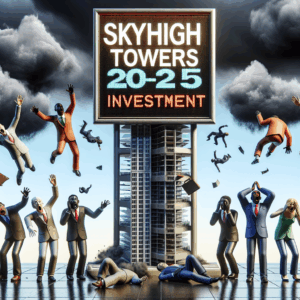
In a recent turn of events, the government investment made in 2025 in the construction of a high-speed rail project in the southeastern region has come under scrutiny for its poor planning and implementation. The project, which was initially touted as a solution to ease traffic congestion and boost economic growth, has faced numerous setbacks and challenges, leading to delays and cost overruns.
The mismanagement of the project has raised concerns among taxpayers and experts alike, highlighting the need for more effective oversight and accountability in government investments. As a result, lessons can be learned from this example to avoid similar pitfalls in the future.
One key factor that contributed to the failure of this government investment was the lack of proper feasibility studies and cost-benefit analysis before the project was approved. It is crucial for decision-makers to thoroughly assess the potential risks and benefits of any investment to ensure its long-term viability and success.
Furthermore, transparency and public engagement are essential in the decision-making process to garner support and input from stakeholders. By involving the community and relevant experts from the onset, governments can better identify potential challenges and mitigate risks before they escalate.
To prevent such instances of bad government investments in the future, it is imperative for authorities to prioritize accountability, transparency, and due diligence in their decision-making processes. By learning from past mistakes and implementing best practices, governments can make more informed and responsible investments that benefit society as a whole.